Unlock Your Creativity: A Comprehensive Guide to the Best Photo Kit Tools

To really get the most out of your photography, focus on these important points. They’ll help you build a better photo kit and use it more effectively.
Key Takeaways
- Your photo kit starts with a good camera body and lenses, but don't forget lighting and handy accessories.
- Post-production tools like Photoshop and Lightroom can transform your images from good to great.
- Try new things like creativity prompts and AI tools to keep your photography fresh and exciting.
- A reliable tripod and backup solutions are super important for protecting your work and getting steady shots.
- Resources like guides, cheat sheets, and exercises can help you learn and grow as a photographer.
Essential Components Of Your Photo Kit
The Camera Body And Lenses
Alright, let's talk about the heart of your photo kit: the camera body and the lenses you pair with it. It's easy to get caught up in the latest models, but honestly, the best camera is the one that feels right in your hands and helps you capture what you see. For beginners, a solid DSLR or mirrorless camera is a great starting point. You don't need the most expensive gear to start making great photos; focus on learning the basics of exposure and composition first. When it comes to lenses, think about what you like to shoot. A versatile zoom lens, like a 24-105mm, can cover a lot of ground, from wider scenes to tighter shots. If you're into portraits, a prime lens, such as a 50mm, offers a wider aperture for that lovely blurred background effect. For landscapes, a wide-angle lens is often a go-to, letting you fit more into the frame. Don't forget that lenses can really change how you see and capture a scene, so experimenting with different focal lengths is key. It's not just about the gear itself, but how you use it to tell your story. Remember, even a smartphone camera can be a powerful tool if you know how to use it effectively.
Lighting Equipment For Every Scenario
Light is everything in photography, right? So, having the right lighting tools can make a huge difference, especially when the natural light isn't cooperating. A simple reflector is surprisingly useful; it can bounce light back onto your subject, fill in shadows, and add a nice catchlight to the eyes. They come in various colors, like silver for a bright, cool light, or gold for a warmer tone. For more control, consider a speedlight, which is a small, portable flash. You can use it on-camera for a direct burst, or off-camera with a trigger for more creative lighting setups. Many photographers find that even a small, affordable LED panel can be a game-changer for adding consistent light, whether you're shooting video or stills. It's amazing how much a little bit of controlled light can improve your images, making them pop and giving them a more professional feel. Don't be afraid to experiment with different light sources and modifiers to see what works best for your style.
Having a few go-to lighting tools means you're not at the mercy of the sun or ambient conditions. It gives you the power to shape the light and create the mood you're after, no matter where you are.
Essential Accessories For Your Photo Kit
Beyond the camera and lights, there are a bunch of smaller items that are just as important for keeping your photo kit running smoothly and protecting your investment. First off, memory cards. You can never have too many, and getting fast, reliable ones is a good idea so you don't miss shots. Extra batteries are also a lifesaver; running out of power mid-shoot is a photographer's nightmare. A sturdy tripod is another must-have, especially if you're shooting in low light, doing long exposures, or just want to ensure your shots are tack sharp. It also opens up possibilities for self-portraits or group shots where you're in the picture too. Don't forget cleaning supplies – a microfiber cloth for your lenses and sensor cleaning kit will keep your gear in top shape. A comfortable and protective camera bag is also vital for carrying everything safely and making it easy to access when you need it. Think about what you'll be shooting most often, and pack accordingly. For travel, a weather-sealed camera bag might be a smart choice.
Here's a quick rundown of other handy accessories:
- Extra memory cards: Always have more than you think you'll need.
- Spare batteries: Keep them charged and ready to go.
- Lens cleaning kit: Microfiber cloths, lens cleaner, and a blower.
- Camera strap: A comfortable one makes a big difference for long shoots.
- Remote shutter release: Useful for long exposures and avoiding camera shake.
Mastering Post-Production With Your Photo Kit
So, you've captured some amazing shots. Now comes the part where you really make them shine: post-production. This is where your photo kit truly comes alive, transforming raw files into polished images. It’s not just about fixing mistakes; it’s about adding your unique artistic touch.
Leveraging Photoshop For Creative Transformations
Photoshop is like a digital darkroom on steroids. You can do so much more than just adjust brightness and contrast. Think about compositing different elements to create something entirely new, or using advanced retouching tools to perfect portraits. The goal here is to push the boundaries of what's possible with your original image. Whether you're cleaning up distractions or building a fantasy scene, Photoshop gives you the power to realize your vision. There are tons of resources out there to help you get started with these creative edits, like advanced retouching tools.
Utilizing Lightroom For Multi-RAW Processing
Lightroom is fantastic for managing and processing large batches of photos, especially RAW files. RAW files hold a lot of information, giving you more flexibility when editing. You can adjust exposure, white balance, and color much more effectively than with JPEGs. It's especially useful when you've shot multiple exposures for HDR or panorama shots. Being able to process these consistently makes your workflow so much smoother. You can find some great open-source photography editing programs that offer similar capabilities if you're looking for alternatives.
Enhancing Images With High Dynamic Range Techniques
High Dynamic Range, or HDR, is a technique used to capture a greater range of light and shadow detail than a standard photograph can. This is particularly useful for scenes with very bright skies and dark foregrounds. You typically achieve this by taking multiple photos of the same scene at different exposures and then blending them together in software. The result can be an image that looks more like what the human eye actually sees, or it can be pushed for a more dramatic, artistic effect. It's a way to bring out details that would otherwise be lost.
Post-production is where your creative intent truly takes shape. It's about understanding the tools you have and how they can help you express your unique perspective on the world. Don't be afraid to experiment and find what works best for your style.
Expanding Your Photo Kit With Creative Tools
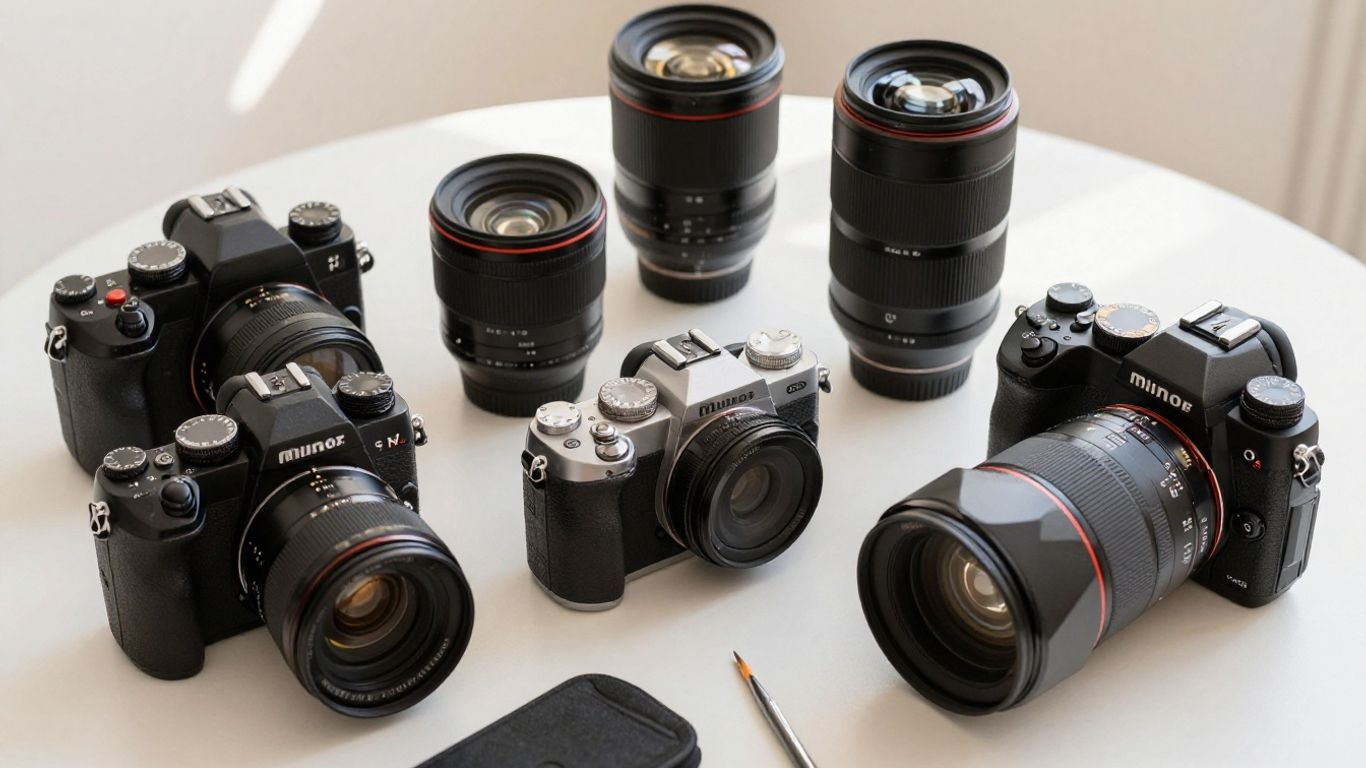
So, you've got the basics down – a solid camera, some decent lenses, and maybe a light or two. That's great! But to really push your photography beyond the ordinary, you need to think about adding some creative tools to your kit. It's not just about having the fanciest gear; it's about having things that help you see and create differently.
Exploring Creativity Prompts And Exercises
Sometimes, the biggest block to creativity isn't the equipment, but what's going on in your head. That's where prompts and exercises come in handy. They're like little sparks to get your imagination going. Think of them as a way to break out of your usual shooting habits and try something new. You can find tons of these online, or even create your own. For example, a prompt might be "photograph something that represents joy" or "capture the feeling of a rainy day." It forces you to think conceptually about your subject.
Here are a few ideas to get you started:
- The "One Color" Challenge: For a week, try to only photograph subjects that are predominantly one specific color. This makes you look for color in unexpected places.
- "Abstract Details": Focus on close-up shots of textures, patterns, or shapes, making the subject unrecognizable until you look closely.
- "Storytelling Through Objects": Pick three random objects and create a narrative scene using them.
These kinds of exercises can really shake up your perspective and lead to some surprising results. It’s a good way to practice different editing software too, seeing how you can further develop the creative vision.
Integrating Textures And Backgrounds
Ever look at a photo and feel like it's missing something? Often, it's the addition of texture or a more interesting background that can make a huge difference. This doesn't mean you need a whole studio setup. You can use things you find around you, or even digital assets. Think about shooting through a piece of textured glass, using a sheer curtain to soften the light, or even finding a cool old wall to use as a backdrop. Digitally, there are countless texture overlays you can add in post-production – think grunge, fabric, or even abstract paint splatters. These can completely change the mood and feel of an image.
Adding layers of texture or a carefully chosen background can transform a simple photograph into something with depth and character. It's about building a visual language that speaks to the viewer on a more emotional level.
Experimenting With AI-Powered Photography Tools
Artificial intelligence is changing a lot of fields, and photography is no exception. AI tools can help with everything from cleaning up noise in low-light shots to generating entirely new elements within your photos. Some software can even help you upscale images without losing quality, which is pretty neat. While it's important to maintain your own artistic vision, these tools can be powerful assistants. They can speed up tedious tasks, allowing you more time to focus on the creative aspects. Exploring these new technologies can open up avenues you might not have considered before, leading to some really unique looks. You can find some great options for photo editing software that incorporate these AI features.
Building A Versatile Photo Kit For Any Project
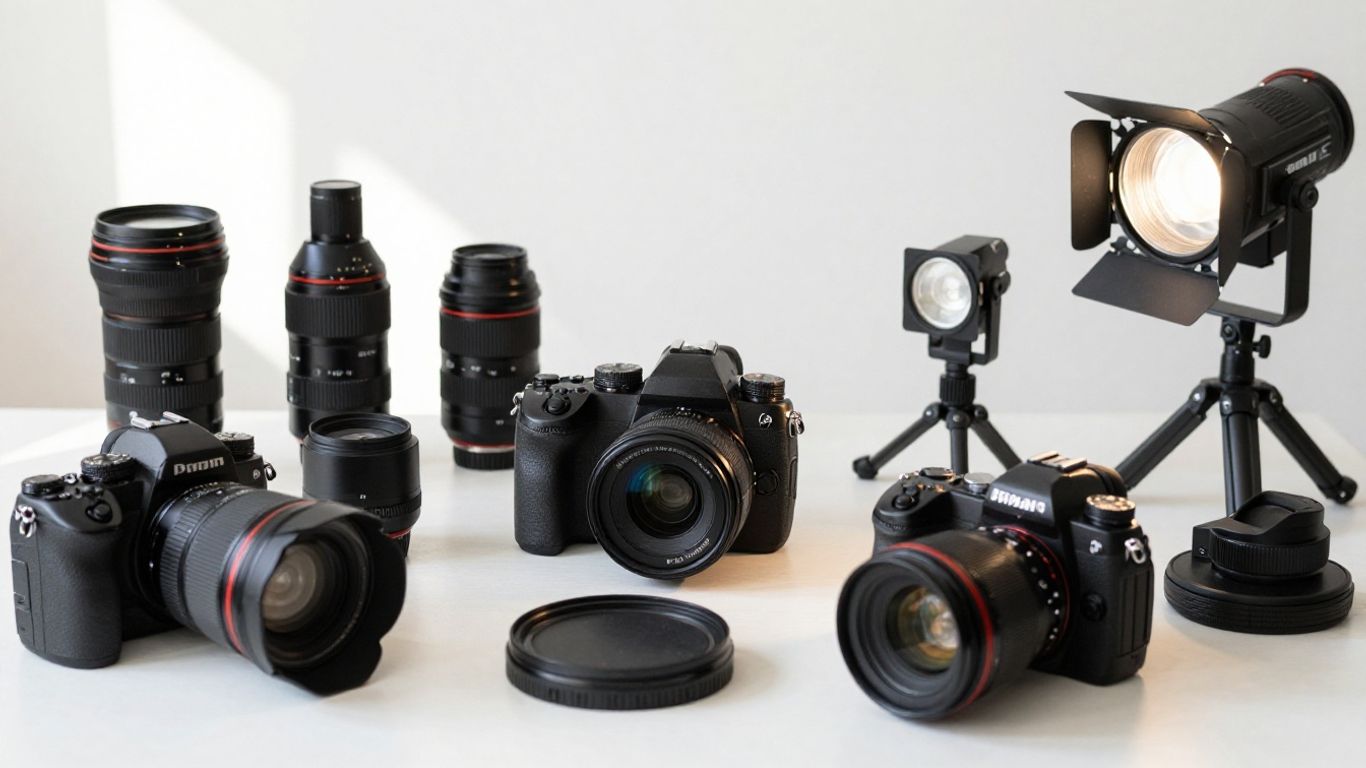
So, you've got your camera and a couple of lenses, but how do you make sure your kit can handle whatever project comes your way? It’s not just about having the fanciest gear; it’s about picking tools that work together and fit how you like to shoot. Think about what you usually photograph. Are you always out in nature, or are you mostly shooting portraits in a studio? Your kit should match that. Having a flexible setup means you're ready for anything, from a spontaneous street photography session to a planned product shoot.
Choosing Gear That Complements Your Style
When you're building your kit, try to think about your personal shooting style. If you love capturing fast action, you'll want a camera with good autofocus and a lens that can zoom quickly. If you're more into quiet landscapes, maybe a sturdy tripod and a wide-angle lens are your priorities. It’s easy to get caught up in what everyone else is using, but honestly, the best gear is the stuff that feels right in your hands and helps you get the shots you envision. Don't be afraid to mix and match brands or try older, more affordable equipment. Sometimes, a simple setup can push you to be more creative. For instance, a prime lens, like a 50mm, forces you to move your feet and think more about your composition, which can lead to better photos. You can find some great deals on photography gear if you look around.
The Importance Of A Reliable Tripod
A tripod might seem like a basic item, but it’s a real game-changer for so many types of photography. It’s not just for long exposures or low light. A good tripod gives you stability for sharp images, helps you frame shots perfectly every time, and is a lifesaver when you want to get yourself in the picture. Plus, it’s super useful for video work or even just steadying your camera for a quick phone recording. There are tons of options out there, from lightweight travel tripods that fold down small to heavy-duty ones that can hold a big camera and lens. Look for one that’s easy to set up and adjust; fiddling with gear shouldn't slow you down. Some even have features like quick-release plates or adjustable legs that make them adaptable to uneven ground.
Backup Solutions For Your Digital Photo Kit
Okay, this is super important and often overlooked. What happens if your memory card fails, or your hard drive crashes? Losing your photos is a nightmare. You absolutely need a plan for backing up your work. This usually means having multiple copies. A common approach is the "3-2-1" rule: three copies of your data, on two different types of media, with one copy stored off-site. This could involve using external hard drives, cloud storage services, or even a combination of both. Don't wait until you have a problem to think about this. Get into the habit of backing up your photos regularly, right after you finish a shoot. It might seem like a hassle, but it’s way better than regretting it later. You can even create beautiful photo books to share your memories, like those from Mixbook.
When you're building your kit, remember that versatility comes from thoughtful choices, not just expensive purchases. Think about how each piece of equipment serves your creative vision and how it can adapt to different shooting situations. A well-rounded kit is one that grows with you and supports your artistic journey, no matter the project.
Unlocking Creativity With Your Photo Kit Resources
So, you've got your camera, your lights, and all those bits and bobs. That's great! But how do you actually use all that gear to make something new and interesting? It's not just about having the tools; it's about knowing how to wield them. Luckily, there are tons of resources out there to help you get inspired and improve your skills.
Quick Guides And Video Walkthroughs
Sometimes you just need a quick refresher or a clear demonstration of a specific technique. Think of these like cheat sheets for your camera bag. You can find guides that break down complex ideas into simple steps, or video walkthroughs that show you exactly how to set up a shot or use a particular piece of software. These resources are fantastic for getting unstuck when you're staring at a blank screen or a challenging lighting situation. For example, if you're struggling with understanding aperture, a short video can make it click way faster than reading a dense manual. Many platforms offer these, some even free, helping you master specific camera settings.
Project Sheets And Printable Cheat Sheets
These are super handy for keeping things organized and accessible. Project sheets can give you a structured approach to a specific type of shoot, like a portrait session or a landscape adventure. They might include shot lists, lighting diagrams, or even mood boards. Cheat sheets, on the other hand, are great for quick reference. Imagine having a printable guide to common Photoshop keyboard shortcuts or a list of aperture settings for different depths of field, all right there on your desk or taped to your monitor. It saves you from digging through menus or searching online every single time.
Hands-On Exercises And Assignments
Reading and watching is one thing, but actually doing is where the real learning happens. Many resources offer practical exercises designed to push your creative boundaries. These aren't just generic "take a picture of a flower" assignments. They might challenge you to shoot a subject using only one light source, or to recreate a specific mood using color and composition. Some even come with companion workbooks, like the one by Harold Davis, that provide space for you to jot down ideas and reflect on your progress. It's like having a personal photography coach guiding you through new challenges.
The best way to get better at photography is to shoot consistently and intentionally. Don't be afraid to try new things, even if they feel a little outside your comfort zone. These resources are there to give you a starting point and a bit of a nudge in the right direction. Think of them as creative prompts rather than strict rules.
Having a solid kit is one thing, but knowing how to use it creatively is another. These resources can bridge that gap, turning your gear into a powerful extension of your imagination. It's all about practice and exploration, and thankfully, there's plenty of help available to guide you on your journey, whether you're planning a big move and need to document it or just want to improve your everyday shots.
Conclusion
Building and using your photo kit is an ongoing adventure. It's not just about the gear itself, but how you use it to express your unique vision. By understanding the core components, mastering editing, and always looking for new creative tools, you can make your photo kit work harder for you. Don't be afraid to experiment and find what inspires you. Happy shooting!
Frequently Asked Questions
What's the most important part of a photo kit?
It really depends on what you like to shoot! For many, a good camera body and a couple of versatile lenses are the starting point. But lighting and useful accessories are also big helps. Think about what you want to capture and build from there.
Do I need super expensive gear to be creative?
Not at all! While fancy gear can be nice, creativity comes from how you use what you have. Simple tools, combined with good ideas and editing skills, can lead to amazing photos. It's more about your vision than the price tag of your equipment.
What is 'post-production' in photography?
Post-production is basically the editing part after you take the picture. It's where you can adjust colors, fix small problems, or even change the look of your photo using computer programs like Photoshop or Lightroom. It's like giving your photo a final polish.
Are AI photography tools really useful?
Yes, AI tools can be really helpful! They can do things like automatically improve your photos, remove unwanted objects, or even help you create new images based on your ideas. They're like smart assistants for your editing process.
Why is a tripod so important?
A tripod keeps your camera steady. This is super useful for getting sharp photos in low light, taking long-exposure shots (like silky waterfalls), or when you want to be in the photo yourself. It stops your pictures from being blurry.
How can I find new ideas to be more creative?
There are lots of ways! You can try creativity prompts, which are like little challenges or questions to get your mind working. Looking at other photographers' work, trying new techniques, or using online resources with exercises can also spark new ideas.