Unlock Viral Potential: How to Reap More Views with Short-Form Video

So, you want to make videos that get seen by a lot of people? It feels like magic sometimes, right? One minute a video is barely noticed, the next it's everywhere. While there's no secret button for instant fame, there are definitely ways to increase your chances of making a video that people want to share. We're going to look at how to craft videos that grab attention and how to get them in front of the right eyes, all with the goal to reap video success.
Key Takeaways
- To really reap video views, focus on making content that people can connect with emotionally or find relatable. Think about what makes you laugh, cry, or say 'that's so me!'
- Keep it short and sweet. Most viral short-form videos are under 90 seconds, often even shorter. Get to the point fast!
- Don't be afraid to be a little extreme or surprising. Content that makes people go 'wow' or feel a strong emotion is more likely to be shared.
- Make sure your video is easy to find. Use good titles, eye-catching thumbnails, and relevant keywords so people click on it.
- Get your video out there! Use trends, work with other creators, and talk to your audience to help your video spread.
Understanding the Core of Viral Video
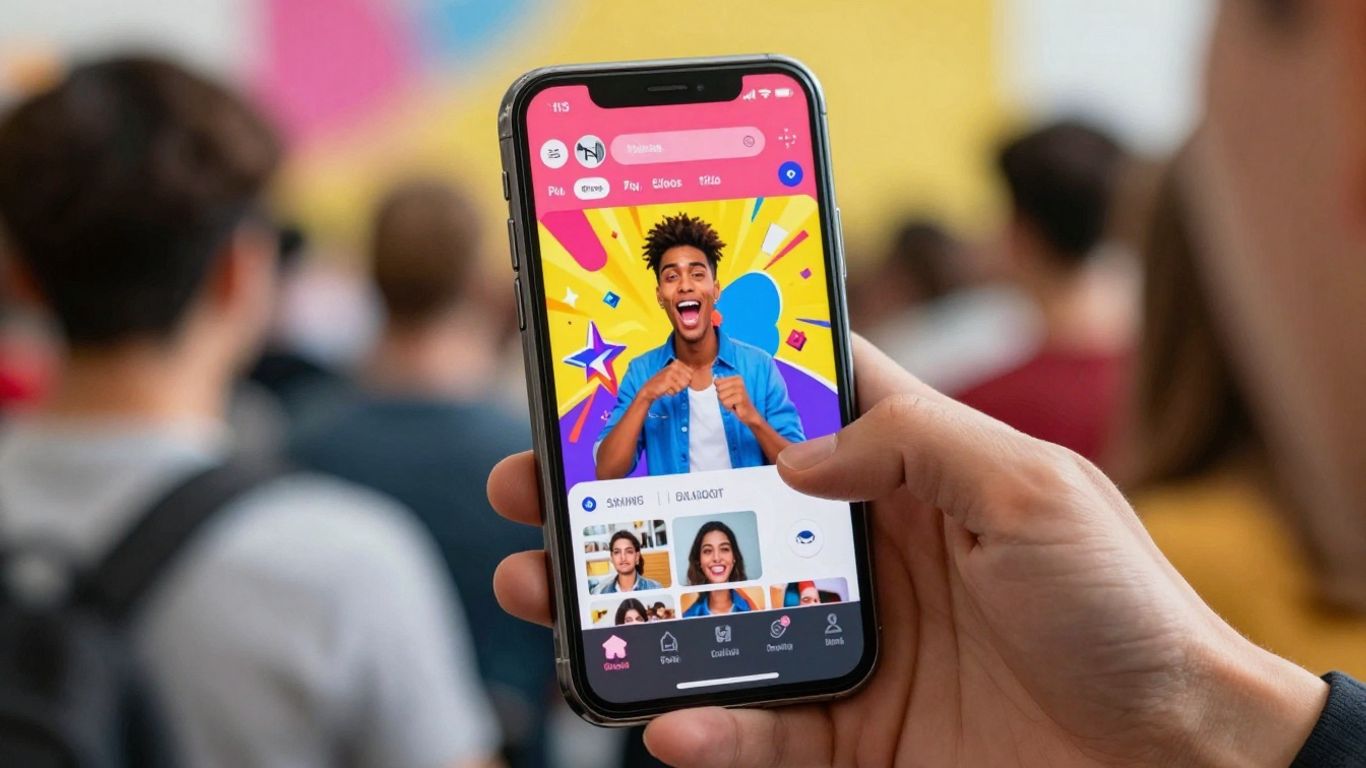
Defining Virality in the Digital Landscape
So, what exactly makes a video go viral? It's not just about getting a lot of views, though that's part of it. Virality is when a piece of content spreads like wildfire across the internet, thanks to people sharing it like crazy. Think likes, comments, and most importantly, shares. It's like a digital contagion, but hopefully, a good one! This rapid spread can seriously boost visibility for anyone, whether you're an individual creator or a brand trying to get noticed. Sometimes it happens naturally because the content is just that good, and other times, it's a result of some smart promotion.
The Unpredictable Nature of Viral Content
Honestly, trying to predict the next viral hit is tough. It's a bit like trying to catch lightning in a bottle. Videos that become massive hits come in all shapes and sizes, with different styles and audiences. Some creators don't even plan for their videos to blow up; it just happens! There's no magic formula, no guaranteed recipe for viral success. But, we can look at what these popular videos often have in common. It's a wild ride, and that unpredictability is part of what makes it so interesting. Understanding the YouTube Shorts algorithm can give you some clues, but it's still a guessing game.
Key Characteristics That Drive Sharing
While there's no single secret sauce, viral videos often share a few key traits that make people want to hit that share button. They tend to be really good at making you feel something. Whether it's pure joy, surprise, or even a bit of outrage, strong emotions get people talking and sharing. Plus, if you see yourself or your own experiences in the video, you're way more likely to pass it along. It's all about connection.
Here are some common threads:
- Emotional Punch: Content that hits you right in the feels – making you laugh out loud, gasp in awe, or feel a pang of empathy.
- Relatability Factor: Videos that mirror common experiences, inside jokes, or cultural touchstones that viewers recognize.
- Timeliness: Content that taps into current trends, news, or conversations happening right now.
- Brevity & Clarity: Short, to-the-point videos that get their message across quickly without losing attention.
The core of a viral video often lies in its ability to evoke a strong, singular emotional response. It's less about complex storytelling and more about hitting a specific emotional note that compels viewers to share their feelings or reactions with others. This emotional connection is what truly fuels the spread.
Think about the Dollar Shave Club ad – it was funny, a little shocking, and memorable. That kind of impact is what gets videos noticed and shared, helping creators achieve significant audience growth.
Crafting Content to Reap Video Success
So, you want your short videos to get noticed? It's not just about slapping some clips together and hoping for the best. You've got to put some thought into what you're making. Think about what makes you stop scrolling. Usually, it's something that makes you feel something, right? That's the core of it.
The Power of Relatable and Emotional Content
People share stuff that hits them in the feels. Whether it's a laugh-out-loud moment, a story that tugs at your heartstrings, or something that just makes you nod and say, "Yep, that's me," emotion is key. It’s about creating a connection. When viewers feel seen or understood, they're way more likely to hit that share button. It’s less about fancy editing and more about telling a story that sticks with people [89b1].
Mastering Brevity: The Ideal Video Length
Look, nobody's got time for long, drawn-out videos on these platforms. Sixty seconds is the absolute max, and honestly, shorter is often better. You need to get to the point fast. Think about the first three seconds – that's your window to grab someone's attention. If you can't hook them immediately, they're gone. The sweet spot for most viral shorts is often between 15 and 30 seconds. It's a challenge, sure, but it forces you to be super clear and impactful.
Injecting Extremity for Maximum Impact
Sometimes, to stand out, you need to go a little bigger. This doesn't mean being obnoxious, but rather pushing boundaries in a way that's interesting. Think about unexpected twists, surprising outcomes, or showcasing skills that are just plain impressive. It’s about creating a moment that makes people go, "Whoa!" or "How did they do that?" This kind of content naturally gets more eyes on it because it's memorable and shareable. It’s about making a statement, not just a video.
When you're making short videos, remember that people are scrolling fast. You need to grab their attention right away and keep it. Think about what would make you share a video with a friend. It's usually something funny, surprising, or that makes you feel a strong emotion. Don't overcomplicate things; focus on making a clear, impactful message that people can connect with quickly.
Strategic Optimization for Maximum Reach
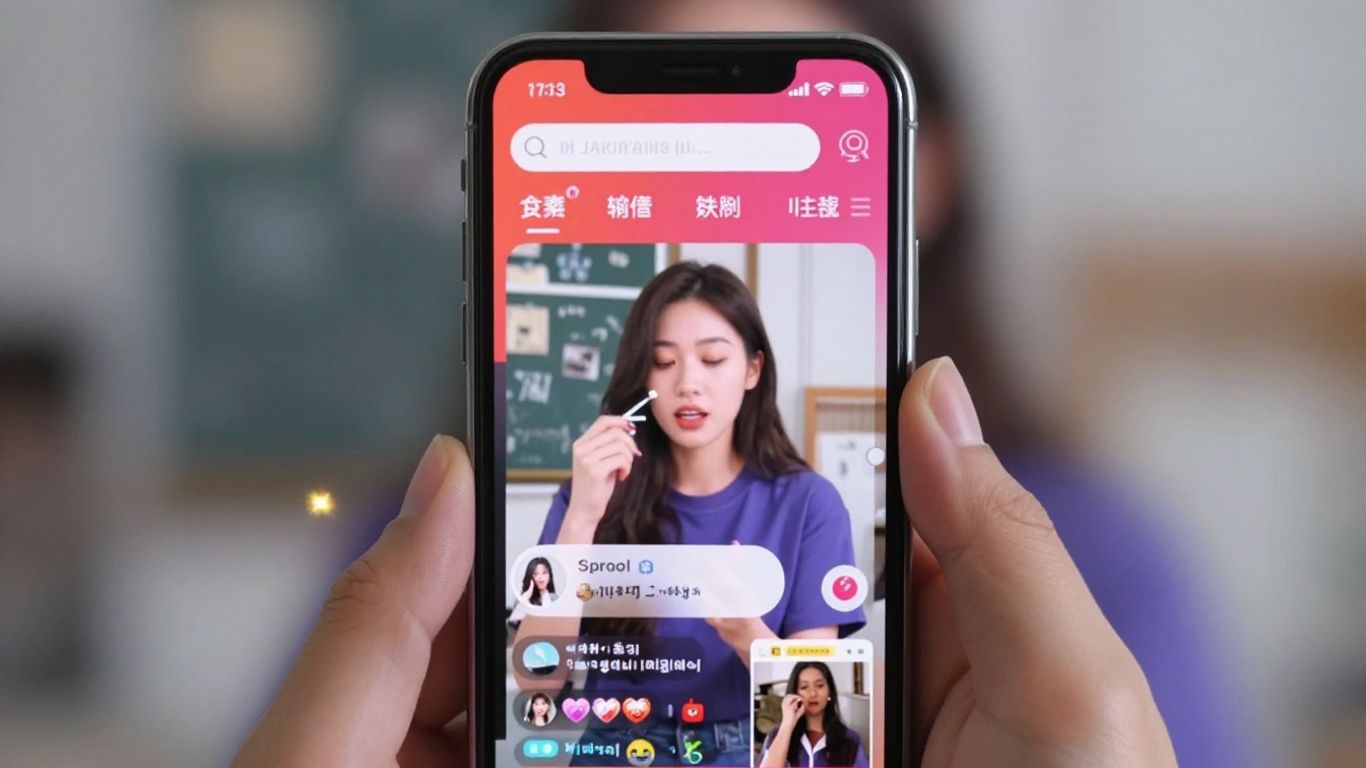
So, you've made a killer short-form video. Awesome! But how do you make sure people actually see it? It's not just about hitting 'upload' and hoping for the best. You've got to be smart about how you present your video to the world. Think of it like putting a great product on a shelf – you want it to be easy to find and look appealing.
Leveraging Keywords and Compelling Titles
This is where you help the algorithms and people find your stuff. When someone searches for something, you want your video to pop up. That means using words people are actually typing into search bars. It sounds simple, but it makes a big difference. Your title is your first handshake with a potential viewer. Make it count.
- Think like your audience: What terms would they use to find this video?
- Be specific: Instead of "Funny Cat Video," try "Cat Tries to Jump and Fails Hilariously."
- Use relevant hashtags: These act like tags for your content, helping platforms categorize it.
Designing Thumbnails That Demand Attention
Okay, so the title is good, but what about the little picture that shows up before someone clicks play? That's your thumbnail. It's like the cover of a book. If it's boring, nobody's going to pick it up. You need something that makes people stop scrolling and say, "Ooh, what's this?"
- Use bright, clear images: Make sure the main subject is obvious.
- Add minimal text: If you add text, keep it short and easy to read.
- Show emotion or action: A surprised face or a moment of action can be very effective.
Understanding Audience Behavior Through Analytics
This is where things get a bit more technical, but it's super important. Most platforms give you data about who's watching your videos and for how long. It’s like getting feedback from your audience without them even saying a word. You can see what’s working and what’s not, so you can do more of the good stuff.
Looking at your analytics helps you figure out what your viewers actually like. You can see where they drop off, which means you know where your video might be getting a bit slow. It's all about making small tweaks based on real numbers, not just guessing.
Here’s a quick look at what you might track:
| Metric | What it Tells You |
|---|---|
| Watch Time | How long people are sticking around. |
| Audience Retention | Where viewers stop watching. |
| Demographics | Who is watching (age, location, etc.). |
| Traffic Sources | How people found your video. |
By paying attention to this information, you can start to build a successful short-form video strategy that actually works for your specific audience. It’s about making informed decisions to improve your marketing strategy and get more eyes on your content.
Amplifying Your Content's Potential
So, you've made a great short-form video. Now what? Just putting it out there isn't always enough. You need to give it a little push, a little boost, to really get it seen. Think of it like planting a seed; you water it, give it sunlight, and maybe even some fertilizer. That's what these next steps are for your videos.
The Role of Trends and Challenges
Jumping on trends and participating in challenges can be a super effective way to get your videos in front of more eyes. It's like joining a big conversation that's already happening. People are actively looking for content related to these trends, so if you can fit your video into one naturally, you're already ahead of the game. It's not about just copying what everyone else is doing, though. Find a trend that actually fits what you're trying to say or show. You can find out what's hot by just scrolling through your feed on platforms like TikTok or YouTube Shorts, or checking out the explore pages. It's a good way to connect with what people are into right now and show your brand's personality. Participating in these can really help your startup get noticed.
Collaborating With Fellow Creators
Working with other creators is another smart move. It's a way to tap into their audience, and they can tap into yours. Imagine you make videos about baking, and you team up with someone who does cooking. You could do a joint video, maybe a baking segment in their cooking show, or vice versa. It introduces your content to people who might not have found you otherwise. It's best to find creators whose style and audience are a good match for yours. You don't need to go for the biggest names either; sometimes, smaller creators with really dedicated followings can be just as, if not more, effective. Think about doing fun challenges together or showing behind-the-scenes stuff. It makes your content feel more real and builds connections.
Engaging and Growing Your Viewer Community
This is a big one. You want people to not just watch your videos, but to stick around and become part of your community. The best way to do this is to actually talk to them. When people leave comments, try your best to reply. Ask questions in your videos to get them talking. If viewers suggest ideas, and they make sense, try to use them in future videos. It shows you're listening. People like to feel heard, and when they do, they're more likely to share your content and come back for more. It's about building a relationship, not just getting views. A strong community can be your biggest fan base.
Building a community around your short-form videos means making viewers feel like they're part of something. It's about interaction, listening, and making them feel valued. This connection is what turns casual viewers into loyal fans who will help spread your content organically.
The Importance of Distribution and Promotion
So, you've made a killer short-form video. Awesome! But just hitting 'upload' isn't going to cut it. You need a plan to get it in front of people. Think of it like throwing a party – you wouldn't just send out one invitation, right? You'd make sure everyone knows about it and wants to come.
Identifying and Engaging With Tastemakers
These are the folks who have a finger on the pulse of what's cool. They might be influencers, popular accounts in your niche, or even just people in your community who seem to know what's going to blow up next. Finding them is key. Look at who's getting a lot of shares and comments on similar content. Once you spot them, don't just spam them with your video. Try to engage with their content genuinely first. Like their posts, leave thoughtful comments. Build a little rapport. Then, when you reach out about your video, it won't feel so out of the blue. A well-timed mention from the right person can make a huge difference.
Strategic Promotion for Initial Momentum
Getting those first few views and shares is super important. It tells the platform's algorithm that your video is worth showing to more people. So, how do you get that initial push? Share it across all your social media channels, not just the one you posted it on. Ask friends or your existing audience to give it a watch and a share if they like it. Posting at peak times when your audience is most active also helps. It's all about creating a buzz right out of the gate. This initial boost can really help your video get noticed and is a core part of a solid video strategy.
Encouraging Sharing Through Social Motivation
People share things for all sorts of reasons. Sometimes it's because they want to look smart, funny, or helpful to their own friends. Other times, it's because they feel a connection to the content or the creator. You can encourage this by making your videos something people want to share. Ask them directly, but make it feel natural. Maybe pose a question at the end that people will want to discuss in the comments and share with others to get their opinion. Creating content that's highly relatable or sparks a strong emotion is also a big driver. The easier you make it for someone to share your video, the more likely they are to do it.
Think about what makes you hit that share button. Is it a laugh-out-loud moment? Something that perfectly sums up a feeling you've had? Or maybe it's just incredibly useful information? Tap into those motivations when you're creating and promoting your own videos. It's not just about making good content; it's about making content that people feel compelled to pass along. This is where repurposing ideas can also come into play, giving you more angles to promote from.
Maximizing Short-Form Video Platforms
So, you've got your short-form video game plan, but how do you really make it shine on the platforms where it matters most? It's not just about slapping your content everywhere; it's about understanding what makes each space tick. YouTube Shorts, for instance, is a big deal, especially if you're trying to reach younger crowds. It's part of the massive YouTube ecosystem, which means it gets some SEO love from Google that other platforms don't. This can help people find your stuff even if they aren't actively looking for it. Think of it as a way to get your brand in front of more eyes, especially for B2B success.
Utilizing YouTube Shorts' Unique Advantages
YouTube Shorts has some cool things going for it. Because it's built right into YouTube, you can easily link your short clips to your longer videos. This is great for drawing people deeper into your content. Plus, unlike TikTok which now allows longer videos, Shorts and Instagram Reels stick to that 60-second limit, forcing you to get straight to the point. This format is perfect for quick demos, behind-the-scenes peeks, or even just a funny moment. It's all about making every second count.
Creating Seamless Video Loops
Here's a neat trick: Shorts play again automatically when they finish. You can use this to your advantage. Try to make your video loop back to the beginning smoothly. This keeps people watching longer without them even realizing it. It's also smart to put your most interesting bits right at the start and maybe even weave calls to action into the loop itself. This way, viewers might see your message more than once.
Teasing Longer Content to Drive Views
Don't forget that short videos can be a gateway to bigger things. You can use a Short to give people a taste of a longer video you've made. Think of it like a movie trailer. Show the most exciting parts, hint at what's coming, and then tell people where to find the full story. This can really help drive traffic to your main YouTube channel or other long-form content you're producing. It's a smart way to develop a successful strategy for your video content overall.
The key is to think about how each short clip fits into your larger content picture. Don't just make shorts for the sake of making shorts; make them work for you.
Wrapping It Up
So, we've gone over a bunch of ways to get more eyes on your short videos. It's not some magic trick, but it does take some thought. Think about keeping things short and sweet, making sure people can relate to what you're showing, and maybe even jumping on a trend if it fits. Don't forget to actually talk to the people watching your videos and see what they like. It's a lot about trying things out, seeing what sticks, and just keeping at it. The internet moves fast, but with these tips, you'll be in a much better spot to make videos that people actually want to watch and share.
Frequently Asked Questions
What exactly makes a video go viral?
Think of a viral video like a super popular trend that everyone wants to join in on. It's usually something that makes people feel a strong emotion – maybe they laugh super hard, feel really surprised, or even get a little angry. It also needs to be something people can easily share with their friends, like a funny joke or a cool trick. Sometimes, videos go viral just by chance, but often they have something special that makes lots of people want to watch and share them.
How long should my videos be to get more views?
For short videos that people watch a lot, shorter is usually better! Most people have short attention spans online. Videos that are around 30 to 90 seconds long often do really well. This gives you enough time to show something interesting without boring people. It's like telling a quick, exciting story.
How can I make my videos more interesting so people share them?
To get people to share your video, you need to give them a good reason. This is called 'social motivation.' Maybe your video is so funny it makes them cry laughing, or so amazing it blows their mind. You could also make videos that are a bit wild or unexpected to grab attention. The goal is to create something that people feel excited to show their friends.
What's the best way to get my videos seen by more people?
Getting your videos seen is all about helping people find them. Use words in your titles and descriptions that people are likely to search for. Make your video's cover picture (the thumbnail) really eye-catching so people want to click on it. Also, pay attention to what your audience likes by looking at analytics, which are like reports on how your videos are doing. This helps you make more of what they enjoy.
Should I use popular trends or challenges in my videos?
Jumping on popular trends and challenges is a smart move! It's like joining a big party that's already happening. When you use a trend that's popular right now, more people are likely to see your video because they're already looking for that kind of content. It helps you connect with your audience in a fun way.
How can YouTube Shorts help me get more views?
YouTube Shorts is a great place for short videos. It lets your videos play again automatically, so you can make them loop smoothly. It's also part of the big YouTube platform, which can help more people find your videos through search. You can even use Shorts to give people a sneak peek of longer videos you've made, encouraging them to watch those too!