Understanding the Best Formula for Your Dog's Needs

Picking the right food for your dog can feel like a puzzle, right? There are so many options out there, and they all promise the moon. But really, it comes down to what your specific dog needs. We're going to break down some popular choices and what makes a good formula dog food so your furry friend stays happy and healthy.
Key Takeaways
- Consider your dog's age, breed, size, and any health issues when choosing a formula.
- Look for high-quality protein sources like real meat as the first ingredient.
- Check that the dog food meets AAFCO guidelines for complete and balanced nutrition.
- Activity level and life stage significantly impact a dog's nutritional needs.
- Always consult your veterinarian for personalized advice on your dog's diet.
1. Marine 26/16
When you're looking for a food that's gentle on your dog's system, especially if they have a sensitive stomach or skin issues, the Marine 26/16 formula is a solid choice. It's designed with digestibility in mind, which can really help if your dog experiences things like gas, itching, or just an upset tummy.
This formula uses fish and herring as its main protein sources. This is often a good move for dogs who might be sensitive to more common proteins like chicken or beef. Plus, it includes ingredients like chicory root, oats, barley, and flaxseed, which contribute to a healthy gut. These ingredients can help support a balanced digestive system.
The 26/16 in the name refers to the protein and fat content, respectively, making it a good all-around option for many adult dogs. It's not overly high in calories, so it's suitable for dogs with average activity levels who don't need a ton of extra energy packed into their meals. It provides a complete diet with all the vitamins and minerals your dog needs.
Here's a quick look at what makes it work:
- Protein Source: Primarily salmon, herring, and whitefish.
- Fat Content: Balanced for adult maintenance.
- Digestibility: Focuses on ingredients that support a healthy gut.
- Nutrient Profile: Complete and balanced for adult dogs.
If your dog has been dealing with digestive upset or skin irritation, switching to a formula like Marine 26/16 can make a noticeable difference. It's about giving their system a break and providing nutrition that's easier to process.
2. Marine 30/25
So, you've got a dog that's maybe a bit of a whirlwind, always on the go, or perhaps they just have a hard time keeping weight on. That's where a formula like Marine 30/25 can really come in handy. It's designed with a higher protein and fat content, hence the '30/25' – that's 30% protein and 25% fat. This makes it a good choice for dogs that burn a lot of energy.
Think about dogs that work, like sled dogs or agility stars, or even just pups with a super fast metabolism. They need more calories packed into their food, and this formula aims to provide that without making them eat a mountain of kibble. It's also a good option if your dog has a sensitive stomach or skin issues. The 'Marine' part means it uses fish like salmon and herring as its main protein sources. Fish is often easier to digest for some dogs and is packed with omega-3 fatty acids, which are great for skin and coat health.
Here's a quick look at what makes it stand out:
- Higher Protein (30%): Supports muscle development and repair, important for active dogs.
- Higher Fat (25%): Provides a concentrated source of energy for dogs with high caloric needs.
- Fish-Based Protein: Often well-tolerated by dogs with sensitivities and provides beneficial omega-3s.
- Omega-3 Fatty Acids: Contributes to healthy skin, a shiny coat, and can help reduce inflammation.
- Prebiotics: Includes ingredients like chicory root and flaxseed to support a healthy gut microbiome.
This type of food is really about giving your dog the fuel they need without overloading their system. It's about quality calories and ingredients that support overall health, especially for those dogs who are always on the move or need a little extra help maintaining their condition.
3. Inukshuk 30/25
When you're looking at different dog food options, Inukshuk 30/25 is a pretty solid choice, especially if your dog is active or has a hard time keeping weight on. This formula is designed to be nutrient-dense, meaning you can feed a bit less food but still give your dog all the energy and nutrients they need. It's made with animal proteins, primarily from chicken and herring, which is great for muscle development and overall health. Plus, it includes Omega 3 and 6 fatty acids from sources like flaxseed, which are good for skin and coat health.
This food is particularly good for dogs that burn through calories quickly. Think about dogs that are always on the go, working dogs, or even just pups living in colder climates. They need that extra boost, and a food like this can help them maintain a healthy weight without needing huge portions.
Here’s a quick look at what makes it stand out:
- Protein Source: Primarily chicken and herring, offering high-quality animal protein.
- Fat Content: Balanced fats including Omega 3 and 6 for skin and coat health.
- Prebiotics: Includes ingredients like chicory root and flaxseed to support digestive health.
- Nutrient Density: Designed to provide more energy in smaller servings, making it easier for active dogs to meet their caloric needs.
It's worth noting that while this food is great for active dogs, it might be a bit much for a couch potato. Always consider your dog's specific lifestyle when picking out their food. If your dog has been struggling to gain or maintain weight, this could be a good option to look into. You can find more information on feeding active dogs and how to manage their diet effectively.
4. Inukshuk 32/32
When you've got a dog that's always on the go, or maybe one that just struggles to keep weight on, the Inukshuk 32/32 formula is definitely worth a look. This food is packed with more calories and protein compared to some of the other options out there, making it a good choice for those super active dogs or any pup that needs a little help building up their body mass. Think working dogs, sled dogs, or even just a really energetic pet that burns through energy like it's going out of style.
This formula is designed for dogs with a high energy output and those who need to gain or maintain weight. It uses animal proteins, primarily from chicken and herring, which are great for muscle development and overall health. Plus, it includes healthy fats and omegas to keep their coat shiny and their skin in good shape. You won't need to add extra oils because this food already has what they need.
Here's a quick look at what makes it stand out:
- Higher Protein Content: Supports muscle maintenance and repair for active dogs.
- Increased Fat Content: Provides the extra calories needed for sustained energy and weight gain.
- Animal Protein Sources: Chicken and herring offer a good balance of amino acids.
- Omega Fatty Acids: Contributes to healthy skin and a glossy coat.
- Prebiotics: Aids in digestive health, using ingredients like chicory root and flaxseed.
If your dog is constantly moving, has a fast metabolism, or you're trying to help them pack on some healthy pounds, this food is formulated to meet those demands. It's about giving them the fuel they need without having to feed them a huge amount of food, which can also help with digestion.
5. Large Breed Puppy Food
So, you've got a big ol' pup on your hands? That's awesome! But here's the thing, those giant breeds have some pretty specific needs, especially when they're still growing. Feeding them just any puppy food might not be the best idea. Large breed puppy formulas are designed with their rapid growth in mind, aiming to keep their bones and joints from getting too much stress. It's all about getting the right balance of nutrients so they grow strong, but not too fast.
Think about it like building a house. You wouldn't use the same materials for a skyscraper as you would for a small bungalow, right? Same idea here. These foods usually have controlled levels of calcium and phosphorus, which are super important for bone development. Too much of one or the other, or just the wrong ratio, can lead to problems down the road, like hip dysplasia or other joint issues. It’s a delicate dance.
Here’s a quick look at what makes these foods different:
- Controlled Calcium and Phosphorus: Key for steady bone growth without putting too much strain on developing joints.
- Appropriate Calorie Density: Helps prevent them from growing too quickly, which can be hard on their skeletal system.
- Added Joint Support: Often includes ingredients like glucosamine and chondroitin to help keep those big joints healthy.
- Specific Protein and Fat Levels: Tailored to support growth without encouraging excessive weight gain.
It's really important to follow the feeding guidelines on the bag, but also to watch your puppy. If they seem too thin or too chunky, it's worth chatting with your vet. They can help you figure out if you need to adjust the amount you're feeding or if maybe it's time to switch foods.
Remember, your vet is your best buddy in this. They can give you personalized advice based on your specific puppy's breed and health. They'll also guide you on when it's the right time to transition your growing giant from puppy food to an adult formula. It’s a big step, and you want to get it right!
6. Senior Dog Food

As dogs get older, their bodies change, and so do their dietary needs. Around age seven, most dogs are considered seniors. This doesn't mean they all need the exact same thing, though. Some older pups might start to gain weight more easily, while others might become a bit too thin. It really depends on the individual dog.
The best senior dog food often comes down to what your dog actually likes to eat. Many older dogs prefer softer, wet food, or maybe just need their kibble warmed up a bit to bring out the smell. You might also notice they need fewer calories than they used to because they're not as active. Look for foods that are easier to digest and might have added supplements like glucosamine for joint health. Some senior formulas are lower in calories and fat to help manage weight, while others might be more calorie-dense for those who are losing weight.
Here are some common considerations for senior dog food:
- Calorie Content: Often lower to prevent weight gain, but can be higher for underweight seniors.
- Protein Levels: Usually moderate, as older dogs may not process protein as efficiently.
- Digestibility: Ingredients that are easier on a senior dog's digestive system are a plus.
- Joint Support: Ingredients like glucosamine and chondroitin are frequently added.
- Antioxidants: Can help support the immune system as dogs age.
It's always a good idea to chat with your veterinarian about the best food for your aging dog. They can help you figure out the right balance of nutrients based on your dog's specific health and activity level. They've seen a lot and can offer tailored advice that generic labels just can't match.
7. Chicken
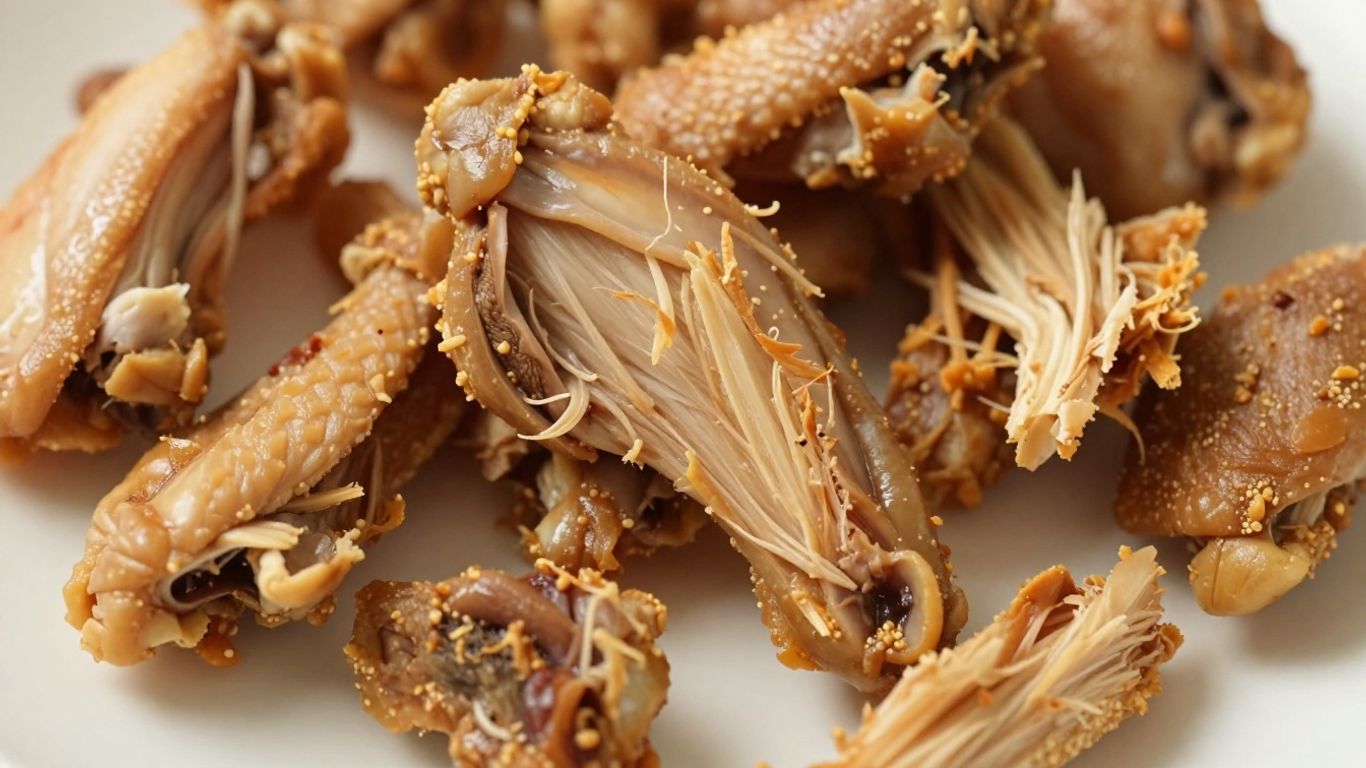
Chicken is a really common ingredient in dog food, and for good reason. It's a great source of protein, which dogs need for muscle development and energy. When you see 'chicken' on the ingredient list, it usually means chicken meat. However, 'chicken meal' is also a common and good thing to find. This is basically cooked chicken that's had most of the water and fat removed, concentrating the protein. It's not just scraps; it's a quality protein source for your dog.
Chicken provides essential amino acids that are vital for a dog's overall health.
When looking at chicken-based foods, consider these points:
- Protein Content: Look for chicken or chicken meal listed as one of the first ingredients. This indicates it's a primary component.
- Digestibility: Chicken is generally easy for most dogs to digest, making it a good choice for dogs with sensitive stomachs.
- Nutrient Profile: Chicken naturally contains vitamins like B6 and B12, and minerals such as phosphorus and selenium, which are important for a dog's well-being.
Sometimes, you might see terms like 'chicken by-product meal'. This can include things like organs, but not feathers or feet, and can still be a nutritious part of the diet. It's always good to check the guaranteed analysis on the bag to see the specific protein and fat percentages.
Chicken is a versatile protein that works well in many different life stages, from puppies to seniors. Its palatability also means most dogs find it quite appealing, which is a bonus when you're trying to get them to eat their meals.
It's worth noting that while chicken is a fantastic ingredient, some dogs can develop allergies to it. If you notice signs like itchy skin or digestive upset, you might need to explore other protein sources. But for many dogs, chicken is a staple that keeps them happy and healthy.
8. Beef
Beef is a popular protein source for dog food, and for good reason. It's packed with essential amino acids, vitamins, and minerals that dogs need to thrive. Think iron for energy, zinc for a healthy immune system, and B vitamins for overall well-being. When you see "beef" as the first ingredient, it generally means beef makes up at least 70% of the product, which is a good sign.
However, not all beef-based foods are created equal. Some might use "beef meal," which is a concentrated form of beef with the water removed, meaning it packs more protein punch than fresh beef by weight. Others might say "with beef," which could mean as little as 3% beef content. Always check that ingredient list carefully!
Here's a quick look at what beef can bring to your dog's bowl:
- Protein: High-quality protein for muscle development and repair.
- Iron: Helps carry oxygen in the blood, keeping your dog energetic.
- Zinc: Supports immune function and healthy skin and coat.
- B Vitamins: Crucial for energy metabolism and nervous system function.
When choosing a beef-based dog food, look for "beef" or "beef meal" listed prominently near the top of the ingredient list. This usually indicates a higher concentration of the protein source your dog needs. It's also wise to ensure the food is labeled "complete and balanced" for your dog's life stage, meaning it meets all their nutritional requirements.
While beef is a great option, some dogs can develop sensitivities or allergies to it. If you notice any digestive upset or skin issues after switching to a beef-based food, it might be worth exploring other protein sources.
9. Salmon
Salmon is a fantastic protein source for dog food, and for good reason. It's packed with omega-3 fatty acids, which are super important for keeping your dog's skin healthy and their coat shiny. Think of it like this: if your dog's coat looks a bit dull or they're scratching more than usual, a food with salmon might be a good option to consider.
Beyond the coat benefits, salmon also provides high-quality protein that dogs need for muscle development and overall energy. It's generally easy for dogs to digest, too, which is a big plus for pups with sensitive tummies.
When you look at salmon-based dog foods, you'll often see it listed as 'salmon meal' or 'dehydrated salmon'. This just means the water has been removed, concentrating the protein and nutrients. It's a common and effective way to include salmon in kibble.
Here's a quick look at some key nutrients often found in salmon-based foods and their roles:
- Protein: Essential for building and repairing tissues, muscle growth, and providing energy.
- Omega-3 Fatty Acids (EPA & DHA): Great for skin and coat health, reducing inflammation, and supporting brain function.
- Vitamins (like B vitamins and Vitamin D): Important for energy metabolism, bone health, and immune function.
- Minerals (like Selenium and Phosphorus): Play roles in everything from immune support to bone structure.
Choosing a food with salmon can be a great way to support your dog's overall well-being, especially if they benefit from the anti-inflammatory properties of fish oils. It's a nutrient-dense ingredient that many dogs really thrive on.
While salmon is a wonderful ingredient, it's always a good idea to check the full ingredient list. You want to make sure it's a primary ingredient and that the food is balanced with other necessary vitamins and minerals for your dog's specific life stage and activity level.
10. Hill’s
Hill's Pet Nutrition is a well-known brand in the dog food market, and they offer a wide range of formulas designed for different life stages and specific health needs. They're one of the brands that meet AAFCO standards, which is a good starting point when you're looking for a complete and balanced diet for your dog.
When you're choosing a food, it's not just about the brand name, though. You've got to think about what your dog actually needs. Things like age, activity level, and any health issues play a big role. For example, a super active working dog will need more calories than a couch potato.
Here are some general things to consider with Hill's, or any brand:
- Life Stage Formulas: They have specific foods for puppies, adults, and seniors. Puppies need more energy and nutrients for growth, while seniors might need fewer calories and joint support.
- Prescription Diets: Hill's is particularly known for its veterinary therapeutic diets, which are formulated to help manage specific health conditions like kidney disease, digestive issues, or allergies. These are usually recommended by a vet.
- Ingredient Focus: While they use a variety of protein sources, it's always good to check the ingredient list to see what's primary. Some dogs do better with certain proteins, and some owners prefer to avoid certain ingredients. Some reviews have been pretty harsh, calling their food "garbage" and "overpriced," with one owner noting it made their Shih Tzu sick and caused loose stools in another dog.
It's important to remember that no single food is perfect for every dog. What works for one might not work for another. Always talk to your veterinarian about the best food choices for your specific dog's health and lifestyle. They can help you sort through the options and make an informed decision, especially if your dog has any health concerns. You can find more information on choosing the right food by looking at dog food options.
Making sure your dog gets the right nutrients is key to their overall health and happiness. It's worth taking the time to research and consult with professionals to get it right.
Wrapping It Up
So, picking the right food for your dog isn't some huge mystery. It really comes down to looking at your dog – how active are they, what's their body like, and do they have any weird tummy issues or skin problems? Don't just grab the first bag you see. Think about what your dog actually needs. And hey, if you're ever totally stumped, your vet is your best buddy for this stuff. They've seen it all and can point you in the right direction. Your dog will thank you for it, probably with extra tail wags.
Frequently Asked Questions
How do I know if my dog's current food is the right fit?
Look for signs that your dog is doing well! This includes having a healthy coat, good energy levels, and firm, consistent stools. If your dog seems sluggish, has skin issues, or digestive problems, it might be time to explore other food options. Your vet is also a great resource for this.
What's the difference between puppy food and adult dog food?
Puppies need more calories and specific nutrients to grow strong bones and bodies. Adult dogs have different needs as they're no longer growing. Foods labeled 'for all life stages' can sometimes work, but specific puppy or adult formulas are often best. Large breed puppies have even more specialized needs to help their bones grow correctly.
Why is protein so important in dog food?
Protein is like the building blocks for your dog's body. It helps build and repair muscles, skin, and even helps with things like making antibodies to fight off sickness. Dogs need a good amount of protein, and it usually comes from meat sources in their food.
What does 'nutrient-dense' mean for dog food?
Nutrient-dense food packs a lot of nutrition into a smaller amount. This means you can feed your dog less food overall, but they still get all the vitamins, minerals, and energy they need. It can also lead to better digestion and more consistent energy.
Should I worry about ingredients like grains or 'byproducts'?
For most dogs, grains are a good source of nutrients and fiber. Similarly, quality animal byproducts (like organ meats) can be very nutritious. Unless your vet has advised a special diet due to allergies, these ingredients are often fine. Always check with your vet if you have concerns.
How do I figure out how much to feed my dog?
The feeding guidelines on the dog food bag are just a starting point. Your dog's age, activity level, and even the weather can change how much they need. A good rule of thumb is to 'feed the dog in front of you' – meaning adjust portions based on whether they are maintaining a healthy weight and have good energy. Talking to your vet is the best way to get personalized advice.